05-05-2015, 03:09 AM
The Combine
Every symptom,
every peaceful dollar made into change in his mind,
chameleon-like change:
colors, feeling tones, expenditures
and morals.
The able life, every symptom,
cauterized on the table, some change
someone left on the counter.
Indians believed, were told rather, the blankets
they traded things for carried diseases; and
that ended the barter.
That and other things,
each symptom building up success,
up and up, on a level with the streets for traffic
where pedestrians scatter like a crowd
after a high school basketball game;
people walk on sidewalks holding smiles like mace,
cellphones like umbrellas.
No one's tempted to stay behind,
watch the guys that shine the floor play,
the kids in the street.
Instead, people take buses to the sink,
the bed, the shower, the woods made into the river
made into a park, a parking lot, another bus, a seat,
a house they own all alone, or a partner.
Somewhere else.
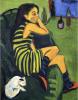
Into that grass green mahogany dressing-gown
that stretches out as a carpet across the floor
where you sit in an armchair
to smoke or not.
Flanked by dressers and chests packed,
lined and sealed with success.
While he stands or paces around the same place
you are or,
if he got the chance, somewhere else.
Every symptom,
every peaceful dollar made into change in his mind,
chameleon-like change:
colors, feeling tones, expenditures
and morals.
The able life, every symptom,
cauterized on the table, some change
someone left on the counter.
Indians believed, were told rather, the blankets
they traded things for carried diseases; and
that ended the barter.
That and other things,
each symptom building up success,
up and up, on a level with the streets for traffic
where pedestrians scatter like a crowd
after a high school basketball game;
people walk on sidewalks holding smiles like mace,
cellphones like umbrellas.
No one's tempted to stay behind,
watch the guys that shine the floor play,
the kids in the street.
Instead, people take buses to the sink,
the bed, the shower, the woods made into the river
made into a park, a parking lot, another bus, a seat,
a house they own all alone, or a partner.
Somewhere else.
Into that grass green mahogany dressing-gown
that stretches out as a carpet across the floor
where you sit in an armchair
to smoke or not.
Flanked by dressers and chests packed,
lined and sealed with success.
While he stands or paces around the same place
you are or,
if he got the chance, somewhere else.